
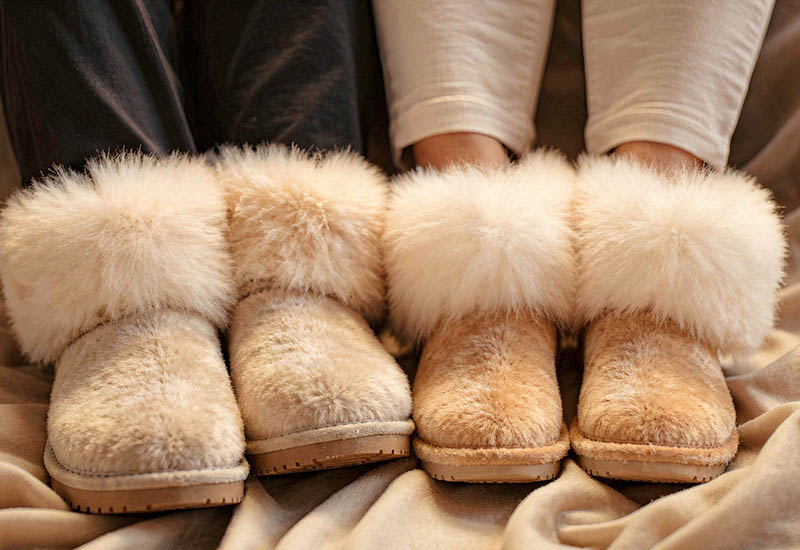
“Hibernating feet” is quite an unusual phrase, isn’t it? But it describes what happens to many feet during winter. In summer, feet are out in the open, confidently displayed in comfortable sandals and open shoes. During winter, however, they are hidden away in socks and closed footwear. As a result, most people put less effort into foot care during the colder months. After all, nobody sees our feet, right?
Some foot problems can develop when foot care is neglected during winter, and pre-existing ones may worsen. Here are examples of those foot issues:
Common Winter Foot Problems
Ingrown Toenails
Ingrown toenails are more common during winter, often due to pressure from tight-fitting shoes and, in some cases, even socks. Neglecting routine foot care can also increase the risk.
Cracked Heels
Without regular care and moisturising, heels can lose their elasticity and suppleness, becoming dry and prone to painful cracks.
Thickened Nails
Thick nails that are left untreated tend to become even thicker, harder, and more deformed over time. This can increase the likelihood of developing ingrown toenails and may make walking uncomfortable.
Interdigital Maceration
The skin between the toes (toe web spaces) can become excessively moist, soft, white, and itchy. This creates an ideal environment for fungal growth.
Skin and Nail Fungal Infections
Athlete’s foot and other fungal infections thrive in warm, dark, and moist environments—exactly the conditions found inside shoes.
Blisters
Friction caused by ill-fitting footwear can irritate the skin and lead to painful blisters.
Corns and Calluses
Areas exposed to excessive pressure or friction, such as the tops of the toes and the balls of the feet, may develop thickened skin in the form of corns and calluses.
Sore and Tired Feet
During winter, feet spend long periods confined in shoes with limited freedom of movement. This can contribute to muscle tightness, tendon strain, ligament stress, nerve irritation, cramping, and foot pain.
How to Care for Your Feet During Winter
- Maintain regular foot care
- Wear well-fitting, supportive shoes.
- Choose moisture-wicking socks to keep feet dry.
- Perform simple foot exercises and stretches to reduce stiffness and prevent cramps.
- Take regular short walks to improve circulation.
- Moisturise your feet daily, paying particular attention to the heels.
- Seek professional podiatric care if you notice any foot concerns.
Conclusion
Just because your feet are hidden during winter doesn’t mean they should be forgotten. Consistent foot care throughout the colder months can prevent many common problems and help keep your feet healthy, comfortable, and ready for summer when they emerge from hibernation once again.